Must-Haves in the Office

An office is defined as the area where organizational activities and operations are carried out to manage a business or service. They are divided into 3 classes: Class A, Class B, and Class C.
Class A Office
These are the most conceptual structures, with offices valued far above the average rental cost in the region. These offices are easily accessible, and it is more appropriate to use high-quality architectural and interior design materials and the latest technology in these spaces.
Class B Office
Rented at an average office rental cost, these offices cater to a broad range of users and are suitable for almost any budget. These offices possess sufficient high-level features; the architectural and interior design materials are of a high standard for their location.
Class C Office
These are places that offer services below the average rental cost in the region to meet user needs. These offices are generally preferred by entrepreneurs new to business.
Choosing a Desk for the Office
The work desk is one of the most important elements to consider when setting up an office. The desk's usability is of great importance. In large offices, L-shaped desks are generally preferred. The reason for this is to aim for a wider working environment on a larger desk surface. In these types of desks, a computer or laptop is placed on one side. We can then arrange the remaining part as we wish. Essential items for an office include a manager's chair and, additionally, guest chairs. When choosing chairs, attention should be paid to color harmony with the desk. Furthermore, comfort is of great importance. The choice should be such that it inspires the desire to work when you sit on the chair. Additionally, care should be taken to ensure the chair does not wobble, as this can lead to drowsiness.
Office Supplies
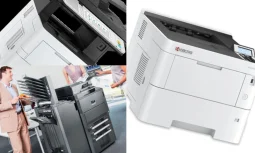
When considering how to arrange office supplies, they need to be placed in a coordinated manner. First, after placing the desk and chair, the location of the cabinets and printer should be determined. These should be placed around the work desk to avoid excessive movement while working. It is also important to keep work materials in a consolidated area, as movement within the workspace can reduce work motivation. The workspace should generally be located in areas that receive natural daylight. While working with a lamp can be good, it can cause fatigue over time. The work desk should be positioned so that light comes from the right or left diagonal, ensuring a healthier working environment; otherwise, fatigue from the light will set in after a while.