How Do Kale Sink Varieties Shape Hygiene and Architectural Aesthetics in Living Spaces?
Why Are Surface Technologies and Bowl Depth Decisive in Kale Sink Selection?
Kale sink models are the most fundamental elements that determine the visual perception of a space while maximizing cleanliness and user comfort in all bathrooms, from modern homes to commercial establishments with high foot traffic. Interior architects and decoration experts working in the construction sector know very well that achieving a smooth, dirt-repellent surface in wet areas and preserving the overall design language come first. Yapı Marka, a trusted name in the sector, succeeds in optimizing the vitrified infrastructure of modern bathrooms from top to bottom with its innovative solutions. You can visit https://www.yapimarka.com/kale to examine the brand's wide product range focusing on elegance, hygiene technologies, and ease of daily use, or to closely see the material quality it offers.
How Do Kale Sink Designs Change Future Bathroom Culture?
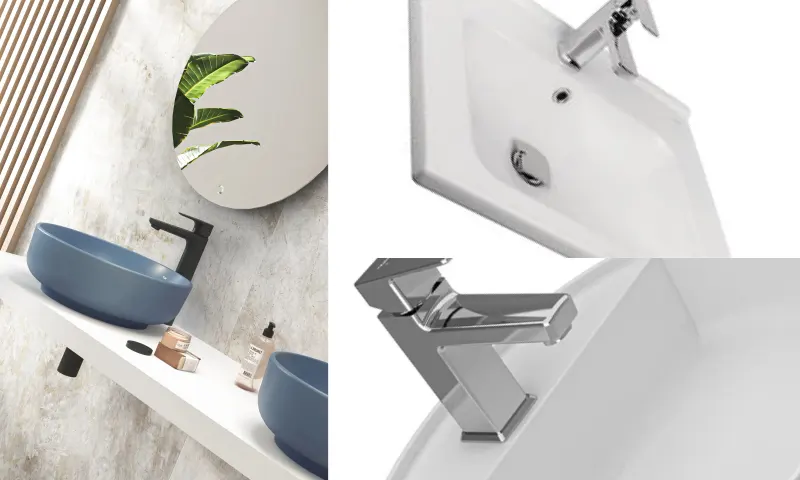
When purchasing a Kale sink, one should not only focus on the geometric lines of the exterior design but also consider the actual conditions of ceramic features that correctly direct water flow and prevent limescale buildup. Special coatings with advanced glaze technologies that significantly reduce bacterial growth and dirt accumulation on the surface directly prevent the need for cleaning with harsh chemicals and associated wear costs. In addition, the ideal bowl depth that prevents water from splashing out during hand washing and the symmetrical stability of the faucet holes that provide ease of installation should be sought. Choosing durable models with a baked ceramic body that is easy to wipe, extra resistant to impacts, cracks, and yellowing, secures the bathroom budget in the long run. Kale sink systems are rapidly advancing every day towards more narrow-edged aesthetic forms, countertop bowl models, and functional integrated solutions. While traditional sinks that were simply wall-hung and used bulky full pedestals to hide the pipes underneath were popular in the past, modern furniture-compatible control mechanisms that make the bathroom appear much wider and more spacious have become the standard. Now, the issue is not just producing a bowl where water is drained; it is about presenting that bowl to the user in full harmony with the bathroom's overall ceramic form, cabinet lines, and faucets, at the most ergonomic distance, and with a design language that is easy on the eyes. Businesses that closely follow global trends and blend them with their deep field experience seem to continue to stay one step ahead in adding lasting value to buildings.