
Frequently Asked Questions About Capacitors
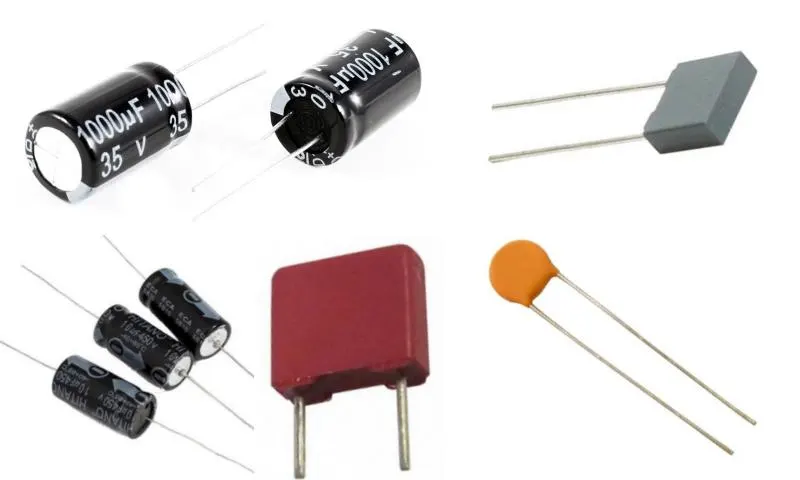
Capacitors, which help store electrical energy within an electric field, are an ideal option for short-term storage. The physical functions of options that can operate independently in every circuit by transmitting alternating current are realized by placing insulators between two plates. Capacitors transmit alternating current instead of direct current. Thanks to this feature, they have the principle of independent operation in every circuit.
Capacitor Options for Different Fields
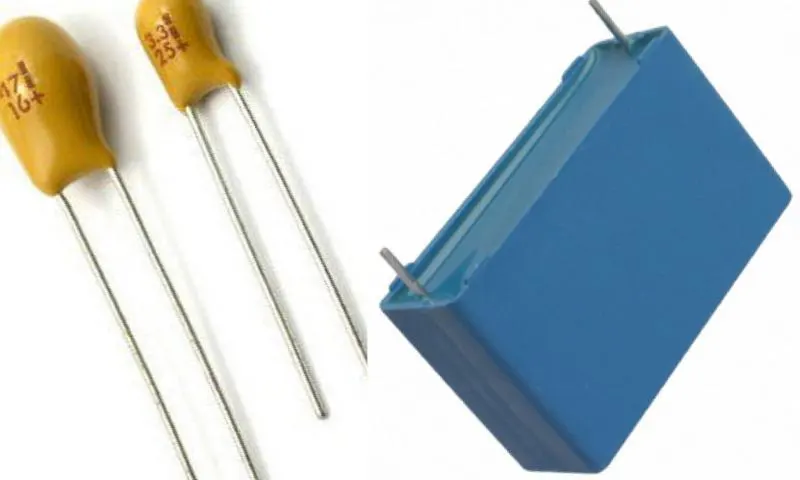
Capacitor options, also called capacitors, can become functional in different areas according to their intended use. For example, they are used for filtering in system power supply circuits. The systems that also function as frequency generators in other circuits can be obtained from the relevant online stores on internet pages. Among the products, which have three different types as variable capacitance, fixed, and adjustable, the adjustable ones have functionality that can change between minimum and maximum values. Fixed models have different values specific to their type. These products can carry much different values than adjustable options. Products with variable capacitance can be fixed or variable in value. In this system, it is possible for the capacitive value to change along with the voltage.
Other Features of Capacitors
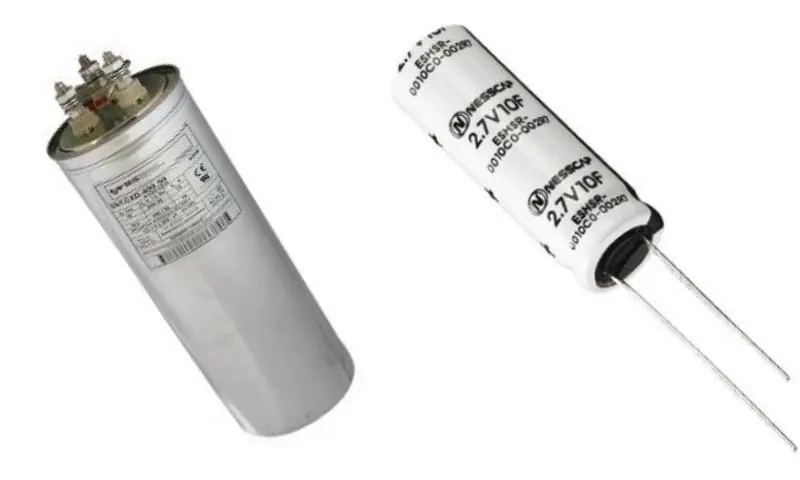
Products known as capacitors in the market are similar to batteries in terms of their physical appearance. These products, which can release their energy quickly, can perform their operations in seconds. Flash cameras can be given as an example of a capacitor. Thanks to the system, a large burst of light is created in a short time. This allows the device to operate smoothly. Capacitors, which can also be expressed with different words such as capacitor and condenser, can be easily used in paper, glass, ceramic, and plastic thanks to their ability to create insulation between two conductors. It is possible for the condenser to perform charge transfer through its two terminals via the circuit to which it is connected.





