
Autism and Its Symptoms
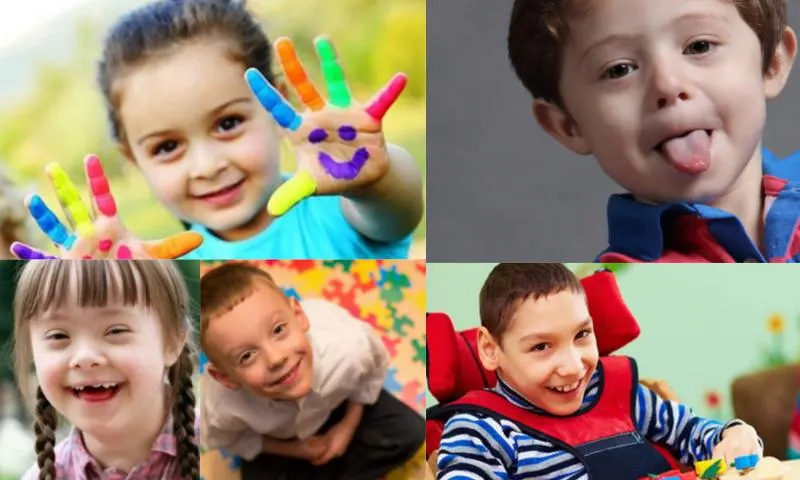
Autism, which is congenital and also defined as a spectrum disorder, is defined as a neurobiological or, in other words, neurobehavioral disorder that arises from the difference and functioning of structures related to the brain and nervous system. Autism, which is seen 4 times more in males than in females, generally shows symptoms and is diagnosed at an early age.
Symptoms Seen in Autism

If we are to talk about the symptoms of autism, we can list the symptoms seen in children as follows:
- They do not make eye contact or make limited eye contact,
- They do not respond when you call the child by name,
- They are hyperactive or inactive,
- They are not interested in what is happening around them,
- They avoid physical contact and avoid contact such as hugging and kissing,
- There is a delay in their speech,
- They isolate themselves instead of socializing in the community,
- Even though they learn to speak, they continue to repeat the same word,
- They have obsessions with order; their behavior can become aggressive when their routines are disrupted,
- They may show eating disorders,
- They are insensitive to danger.
Autism Treatment
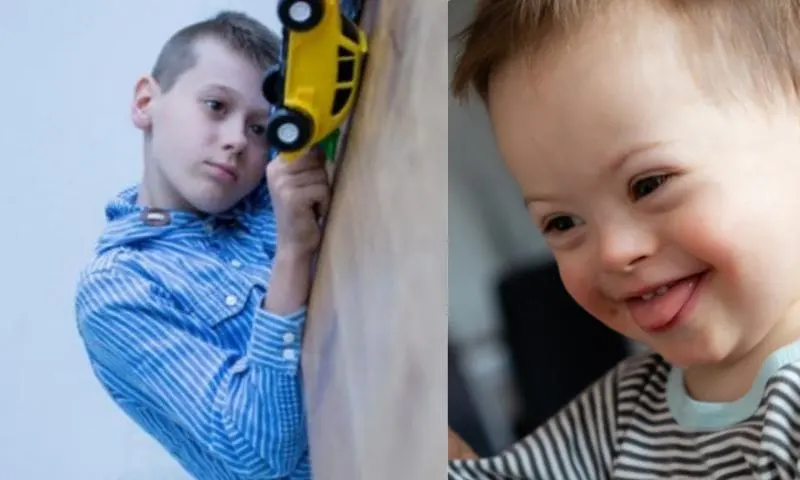
Early diagnosis is very important for the treatment process in autism. The aim of the treatment is to enable individuals with autism to develop their social and individual abilities. Behavioral training and special therapies are applied to enable the development of these abilities. In addition to these treatments, if deemed necessary by the specialist physician, drug therapy may also be applied for conditions that co-occur with autism, such as depression, attention deficit, and obsessive-compulsive disorder. It is very important for parents of children with autism to be understanding and patient during the child's development and growth process. Trying to force the child to do something can make them even more aggressive and increase their symptoms. Therefore, parental behavior during the treatment process can be an important factor in the child's behavior. You can visit the relevant online addresses on web pages to get detailed information about the diagnosis of autism in children and the treatment applied to improve their lives, and you can easily access more comprehensive information about autism.