
What are Smart Home Automation Systems?

Smart home automation systems are a set of technological solutions that allow the control of devices and systems in the home via the internet. These systems enable users to remotely manage many elements in their homes such as lighting, heating, security, and entertainment systems. Controllable via smartphones or tablets, these systems offer users comfort, security, and energy savings. For example, with smart thermostats, the home's temperature can be adjusted remotely, security cameras can be monitored in real-time even when away from home, and doors can be remotely opened and closed with smart lock systems. Smart home automation systems make individual life more comfortable while offering great benefits in terms of energy management and security. To get information on this topic and ask your questions, you can look at the relevant online companies on the internet pages and examine them in detail.
Advantages of Smart Home Automation Systems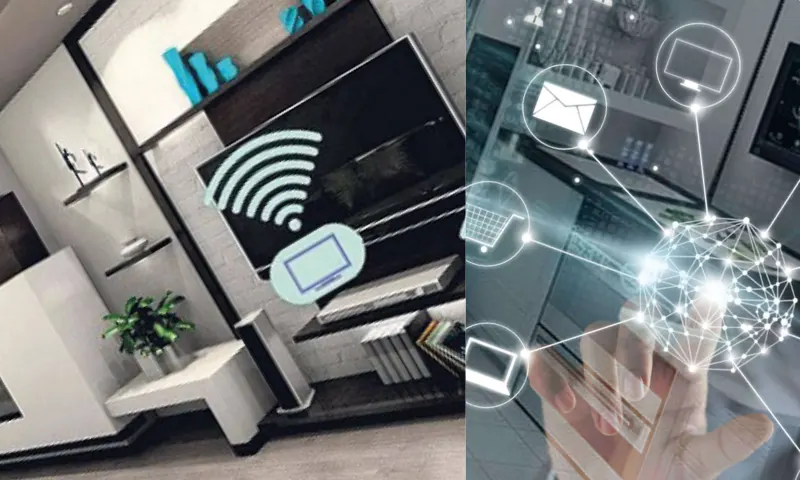
Smart home automation systems offer many advantages to users. The foremost among these is energy saving. Smart lighting and heating systems prevent unnecessary energy consumption in the home, thereby significantly reducing electricity bills. For example, lights that automatically turn on when entering the house turn off when leaving, which increases energy savings. Furthermore, smart home systems also enhance security. Security cameras, motion sensors, and remotely accessible door locks ensure that the home is constantly monitored and protected. Additionally, the security of the home is further enhanced with systems such as fire alarms and flood detection. These technologies allow users to control everything and intervene when necessary, even when they are not at home.
The Future of Smart Home Automation Systems
In the future, smart home automation systems will become even more advanced and widespread. These technologies, which currently focus mainly on lighting, heating, and security systems, will become more integrated in the future, ensuring that all devices in the home work in harmony with each other. AI-powered smart home systems will learn user habits and automatically optimize systems within the home. For example, an AI system can automatically adjust lighting and heating according to the daily routines of people in the home. Furthermore, voice-controlled systems are expected to become more advanced and integrated with virtual assistants. These developments will make life at home more comfortable and efficient, while also offering significant advancements in energy and security. Smart home automation systems have become an indispensable part of modern life. With the advantages they offer in both energy saving and security, these systems will be used more widely and integratedly in homes in the future. These technologies will continue to offer solutions that simplify daily life and maximize comfort and efficiency.