
In Vitro Fertilization Treatment Methods
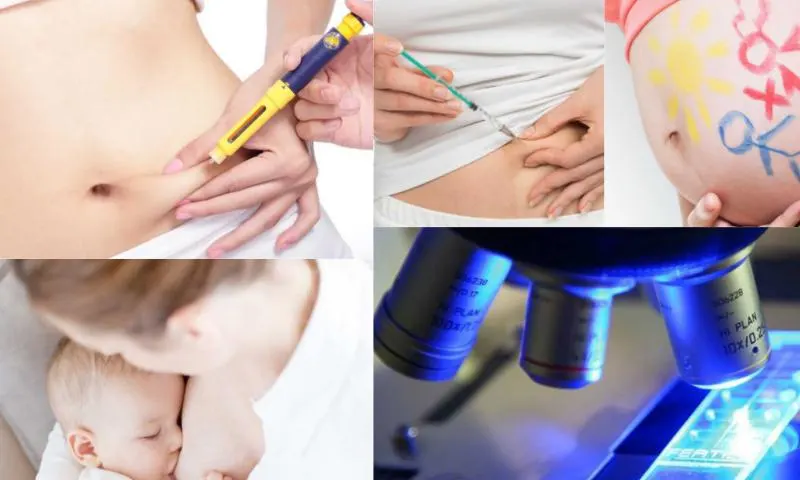
The method of having children with stem cells, which is not yet widely used in our country, may offer a glimmer of hope to couples who cannot have children with in vitro fertilization (IVF) treatment, as a result of ongoing studies. The relationship between IVF and stem cells causes couples who cannot have children naturally to resort to IVF. In order to apply IVF treatment, healthy eggs and sperm are needed. Stem cells hold great promise for expectant mothers who resort to IVF but do not have adequate egg reserves, expectant mothers entering early menopause, expectant mothers with a thickening problem in the endometrium layer of the uterus, and expectant fathers who do not have healthy sperm or have no sperm at all.
IVF and Stem Cells
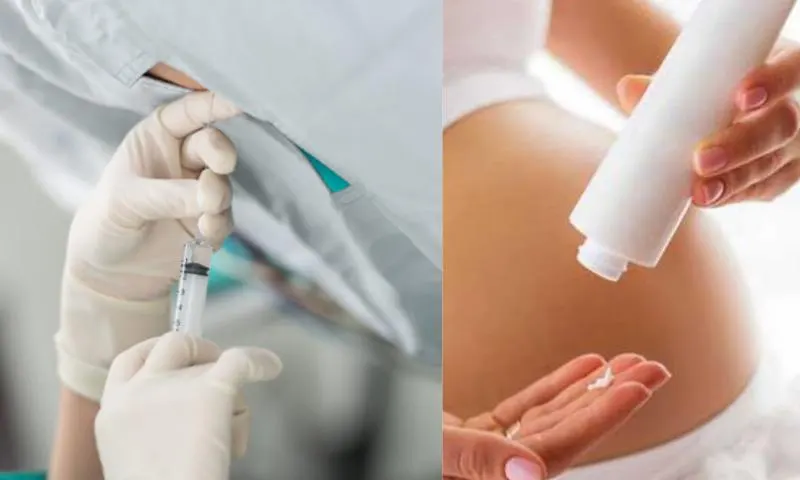
Stem cells are obtained from the individual and provide healing in damaged and irreparable tissues and organs by transplanting them into these tissues and organs. So, if stem cells obtained from the expectant mother are transplanted to expectant mothers with low or no egg reserves, there is a chance to obtain quality eggs. For expectant mothers who do not have any problems with egg quality and quantity but experience a thickening problem in the uterine tissue, stem cells can create a healthy environment for embryo implantation in the uterus. Similarly, if stem cells obtained from the expectant father are transplanted into the testicular tissues or ovaries of candidates with low sperm quality or no sperm, stem cells can provide regeneration and healing here. Scientific research and studies on having children with stem cells are ongoing. You can visit the relevant online sites on the internet pages to access more information about this method, which can largely be a solution to the problems faced by parents who want to have children with IVF.





