
Television Screen Size and Positioning
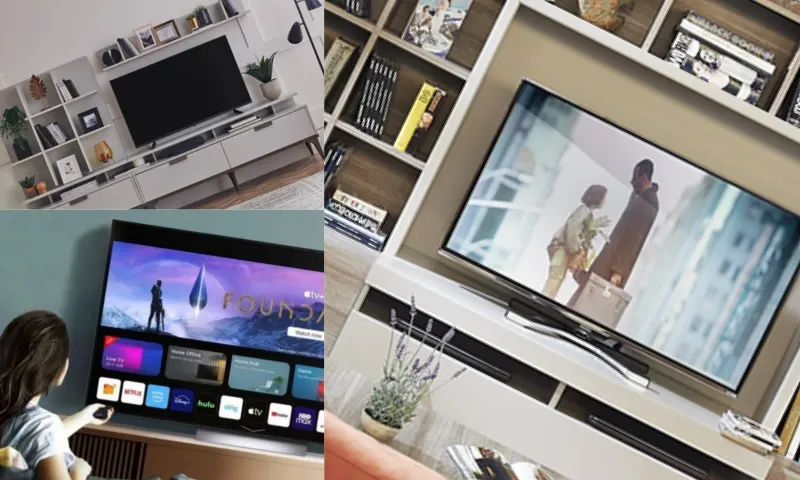
One of the first factors to consider when choosing a television is screen size. Screen size should be determined by the size of the room and the viewing distance. Placing a large-screen television in a small room can negatively affect the viewing experience. As a general guide, there should be a ratio between the distance from the seating area to the television and the screen size. 32-43 inch screens are generally suitable for smaller rooms, while 55 inches and above can be a better option for large living rooms. The positioning of the screen is also important; having the television at eye level ensures a comfortable viewing experience. You can look at relevant online companies on web pages to get information on this matter and ask your questions, and you can examine it in detail from here.
Screen Technology: Differences Between LED, OLED, and QLED
Screen technology is one of the defining factors in choosing a television. LED (Light Emitting Diode) televisions offer affordable and energy-efficient options, but the picture quality may be slightly lower compared to other technologies. OLED (Organic Light Emitting Diode) televisions, on the other hand, offer perfect blacks and higher contrast ratios by having each pixel produce its own light. OLED is top-notch in terms of picture quality but is usually more expensive. QLED (Quantum Dot LED) televisions use LED technology to provide a structure that enhances color accuracy. QLED televisions exhibit good performance in terms of brightness and color vibrancy and are generally more affordable than OLED. Screen technology should be chosen according to the user's budget and preferred picture quality.
Smart Features and Connectivity Options
Modern televisions are equipped with smart features, and these features play an important role in television selection. Smart TVs provide access to platforms such as Netflix, YouTube, and Spotify via internet connection. They also offer features like voice command control, app downloads, and screen mirroring. Connectivity options should also be considered; ports such as HDMI, USB, Bluetooth, and Wi-Fi ensure the television is compatible with other devices. HDMI 2.1 support provides high-resolution picture quality, especially for gaming consoles. Audio output and audio technologies are also important factors; advanced audio systems like Dolby Atmos support offer a richer sound experience. When choosing a television, factors such as screen size, screen technology, and smart features should be taken into account. Choosing the television that best suits your needs and budget can improve and make your home cinema experience more enjoyable.





