
How Does BMS Affect Battery Life?
What are the Types of BMS?
BMS systems monitor and regulate all the necessary conditions for the healthy operation of the battery. This is a factor that directly extends battery life. By preventing overcharging or complete discharge of the battery, it reduces wear and tear on the cells. It also resolves imbalances between cells, thus using each cell equally. This balance prevents cells from failing prematurely one after another. With its temperature monitoring feature, it automatically shuts down the system when the battery overheats, preventing thermal degradation. In such cases, not only the battery but the entire system can be severely damaged. For detailed information about BMS, you can visit the web address https://voltpilbatarya.com/urun-kategori/bms/.
What to Consider When Choosing a BMS?
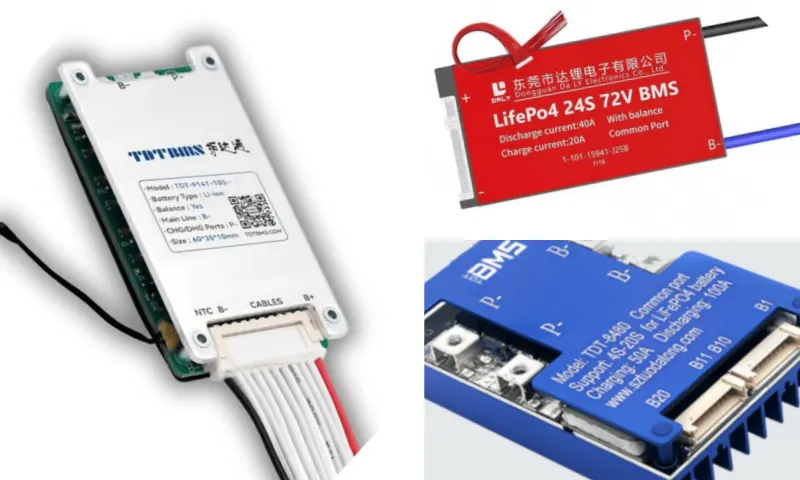
BMS types are divided into three main groups: Central BMS, Distributed BMS, and Modular BMS. Each is developed for different application areas and system needs. Central BMS is a system where all cells are managed by a single control unit. It is preferred in small and medium-scale applications. Distributed BMS is a model used in larger systems, where each group of cells is managed by a separate control card. This structure provides greater data accuracy. Modular BMS stands out with its flexible structure. In this system, different modules can be combined to form larger battery packs. It is widely used, especially in electric vehicles and energy storage systems. The most important factors to consider when choosing a BMS are the battery type, system capacity, and safety features. A BMS compatible with the battery chemistry to be used should be preferred. Compatibility with voltage and current values ensures the safe operation of the system. Technical details such as temperature sensor sensitivity, voltage balancing capability, and communication protocol should also be considered. Quality and certified products ensure a long lifespan.





