
How Does Children's Drama Course Contribute to Children's Development?
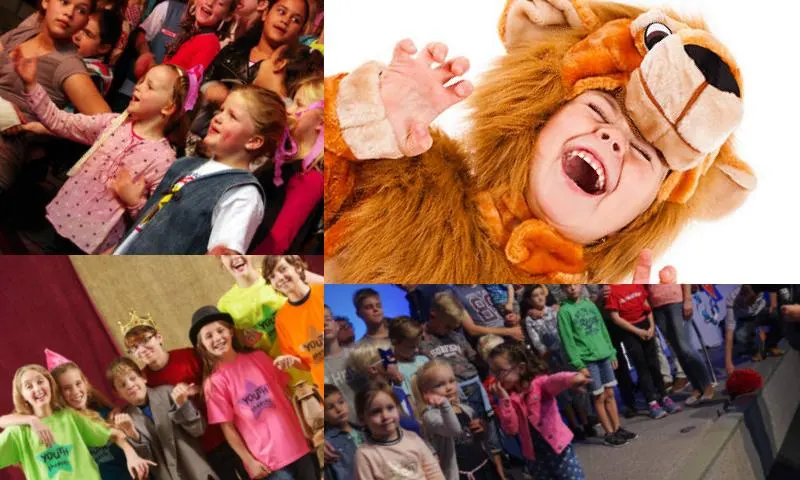
Which Age Groups is Children's Drama Course Suitable For?
Children's drama course can make positive contributions to their emotional, social, and cognitive development. Drama instills self-confidence in children, teaches them to express their emotions, and develops their empathy skills. Taking on different roles on stage helps children discover themselves and increase their self-confidence. Drama courses also develop children's problem-solving, cooperation, and critical thinking skills. By working in a group, they gain the ability to understand others and interact with them harmoniously. For detailed information about children's drama courses, you can visit the web address https://www.sizdrama.com/cocuk-drama-kursu/.
What Are the Methods Used in Children's Drama Course?
Children's drama course is designed to appeal to different age groups. The most suitable age range for children's drama course is between 6 and 12 years old. During this period, children can benefit maximally from drama activities as they rapidly progress in their emotional and social development. However, simple and fun drama games can also be organized for children aged 3-5. These games can help children develop their basic social skills while stimulating their imagination and creativity. For teenagers aged 13 and above, more complex and in-depth drama activities can be organized. Teenagers in this age group can find opportunities to explore their identity, understand their emotions in depth, and cope with complex social dynamics. The methods used in children's drama courses are fun, interactive, and participant-focused. Drama activities, games, stories, and role-playing techniques are particularly included for children. These methods stimulate children's imagination and creativity, teach them to express themselves, and develop their emotional intelligence. Drama games and group work are frequently used to increase group interactions and develop cooperation skills. Role-playing activities, which allow children to take on different roles on stage, improve their empathy and understanding of others.