How Does a Warehouse Management System Work?
What Are the Advantages of Using a Warehouse Management System?
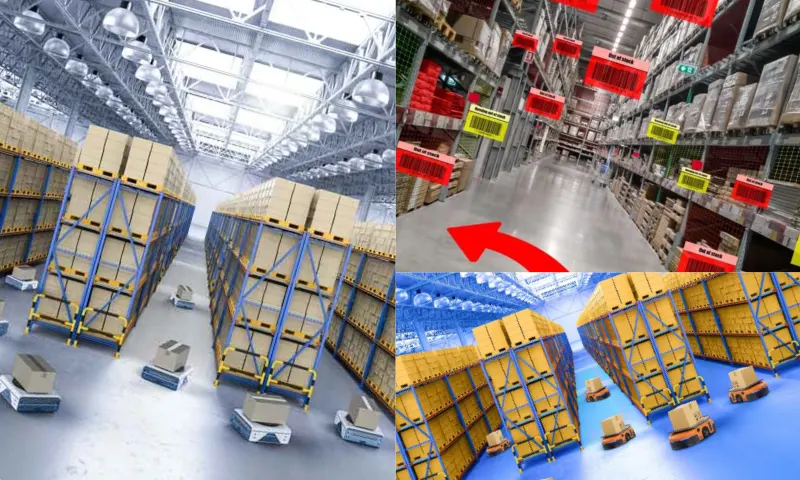
A warehouse management system works through a central structure that transfers all physical movements within the warehouse to a digital environment. Products defined in the system are recorded with their location information from the moment they enter the warehouse. Each step of acceptance, placement, picking, and shipping is monitored step by step by the system. Handheld terminals and barcode readers used during operations ensure that the processed transactions are instantly entered into the system. This prevents human data entry errors. When an order is created, the system determines from which shelves and in what order the products should be picked. For detailed information about warehouse management systems, you can visit the web address https://www.pulur.com.tr/picka-wms-depo-yonetim-sistemi/.
What Should a Warehouse Management System Be Like?
Using a warehouse management system provides visibility and control over warehouse processes. It clearly tracks where products are, how much stock is available, and which orders are being prepared. This reduces time loss and helps operations proceed in a more planned manner. Since staff task allocation can be done through the system, the workflow becomes more organized. Increased stock accuracy reduces unnecessary purchases and product losses. The acceleration of shipping processes positively affects delivery performance. With a warehouse management system, managers can analyze warehouse data to plan process improvements. A warehouse management system should be designed with the flexibility to adapt to the business's operational structure. An easy-to-use interface allows personnel to quickly adapt to the system. A scalable structure prevents the system from becoming insufficient as the warehouse volume grows. Secure data storage and regular backup features eliminate the risk of information loss. The continuity of technical support and update services is also important for the long-term efficiency of the system. A warehouse management system should be capable of serving not only today's needs but also future operational goals.