
The Impact of Engineering Compatibility on Driving Characteristics in Volkswagen Part Selection
Metallurgical Standards and Technical Efficiency in Volkswagen Part Preference
A car's stability on the road and the sense of confidence it provides to the driver are actually the result of thousands of different components coming together with millimeter precision. In vehicles like Volkswagen, which represent the German engineering school, this compatibility is measured by the tolerance values between parts. Peker Otomotiv Yedek Parça meticulously offers the professional components required to maintain the vehicle's technical condition from the moment it leaves the factory through the address https://toptan.pekeroto.com/volkswagen. Every element, from the smallest bolt under the hood to the most complex sensor assembly, directly affects the vehicle's aerodynamic structure and fuel efficiency. Therefore, part selection is not just a repair process, but a long-term investment in the vehicle's engineering genetics.
Technical Accuracy and Mechanical Lifespan in Volkswagen Part Assembly
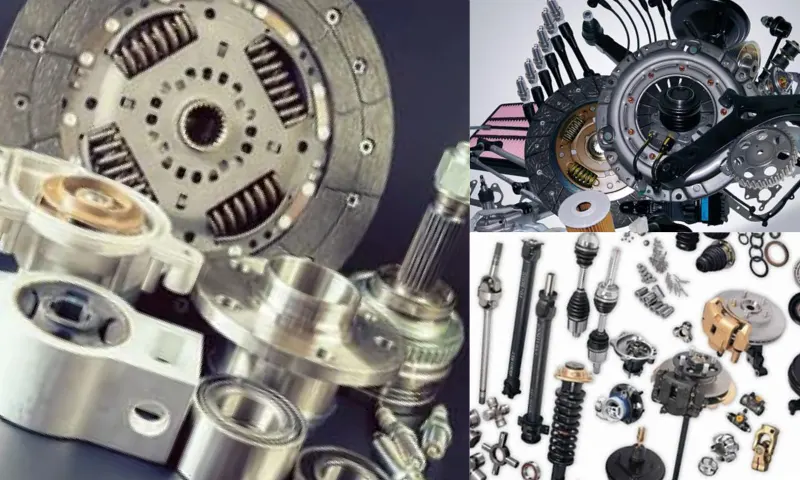
The most fundamental factor to consider in Volkswagen part supply is the material's physical reactions under high heat and pressure. Especially sealing elements and cooling system parts used in turbocharged engines must have metallurgical properties that can withstand extreme operating conditions. A part with the wrong material quality can destabilize the engine's operating temperature, leading to performance losses and even structural fatigue in the engine block in the long run. The compatibility of discs and pads in the braking system not only determines the stopping distance but also ensures that driving comfort is not compromised by determining the vibration absorption on the chassis. The most critical stage in Volkswagen part replacements is the complete adaptation of the new component to the vehicle's existing mechanical architecture. Periodic technical updates made on the Volkswagen production line can create unnoticeable differences in the internal structure of the parts; therefore, part verification based on the chassis number is not an option but a technical necessity. As crucial as determining the correct part is adhering to the torque values specified by the manufacturer during assembly, which preserves the part's lifespan and its connection health with other components. Each component renewed in accordance with technical standards increases the prestige of the car in the used car market, while continuing to make you feel that famous German driving discipline with every kilometer.