
Why is Grounding Important?
What is Operating Ground?
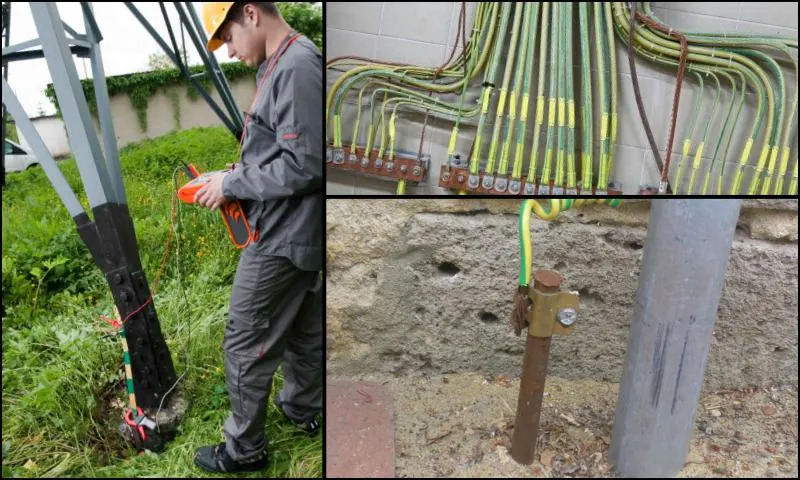
Grounding is the connection of all metal parts that are located near areas where electrical energy passes and may or may not carry current, to the earth through earth electrodes. The general purpose of grounding systems is to prevent the touch voltage from reaching levels dangerous to human life in case of a fault in electrical energy carrying systems. Since Gebze grounding measurement is of vital importance, it is essential to ensure that the necessary services are performed by expert and authorized persons.
What is Protective Grounding?
The grounding of the neutral conductors in electrical installations and networks is called operating grounding. An example is the grounding of the star point of a transformer. Operating grounding is either carried out directly or through ohmic, inductive, or capacitive resistance. It is of great importance that necessary services such as Gebze grounding measurement are also carried out by authorized persons. The grounding of metal parts of electrical installations that are not under voltage, i.e., not active, is called protective grounding, and it is of great importance that these operations and services such as Gebze grounding measurement are carried out by authorized persons. An example of protective grounding is the grounding of the metal parts and components of industrial facilities in the form of steel structures. Functional grounding, on the other hand, is generally a grounding system performed for a special purpose. For example, grounding against lightning generally serves as the grounding of communication facilities.





